Dry Needling & IMS
Target tight, painful muscle trigger points with a safe, effective, and efficient treatment approach designed to restore normal muscle function and movement.
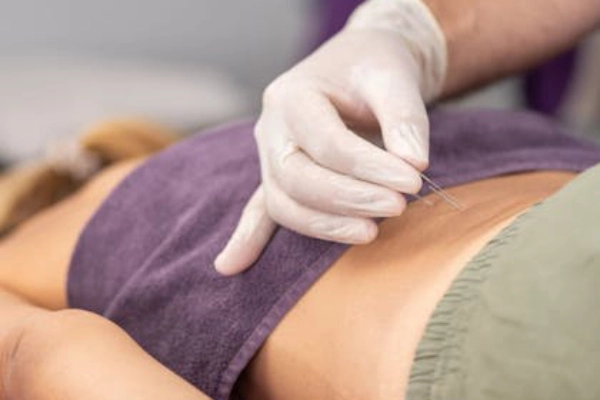
What Is Dry Needling?
Dry needling is also known as intramuscular stimulation (IMS) and trigger point dry needling (TDN).
Dry needling is used to relax myofascial trigger points and restore normal muscle tone, muscle length, coordination, function, and strength.
During treatment, a dry, solid filament needle is inserted and repetitively manipulated in a trigger point to produce an involuntary spinal cord reflex known as a local twitch response (LTR). This can create lasting muscle relaxation by releasing shortened bands of muscle fibres in overactive, tight muscles or activating under-active, weak muscles.
When trigger points are deactivated, symptoms can improve immediately. Your therapist can then help train the muscles using the newly gained pain-free range of motion.
1
Relax Trigger Points
Treatment is directed at myofascial trigger points and shortened bands of muscle fibres that can keep muscles overactive and tight.
2
Restore Muscle Function
The goal is to restore normal muscle tone, length, coordination, function, strength, and pain-free range of motion.
3
Build on Your Progress
After a trigger point is deactivated, your therapist can immediately train the muscles to work with the range of motion you have regained.
Dry Needling vs. Acupuncture
Dry needling is similar to acupuncture in that a dry, solid filament needle is inserted and manipulated under the skin to release endorphins and serum cortisol for pain relief.
The approaches differ in their foundation. Dry needling is based on western neuroanatomy and modern scientific study of the musculoskeletal and nervous systems. Acupuncture is based on traditional Chinese medicine and seeks to influence the flow of Qi (energy) in pathways called meridians to achieve pain relief and alleviate inflammation.
Conditions Treated by Dry Needling
Dry needling has been used to treat a broad range of painful musculoskeletal and overuse conditions.
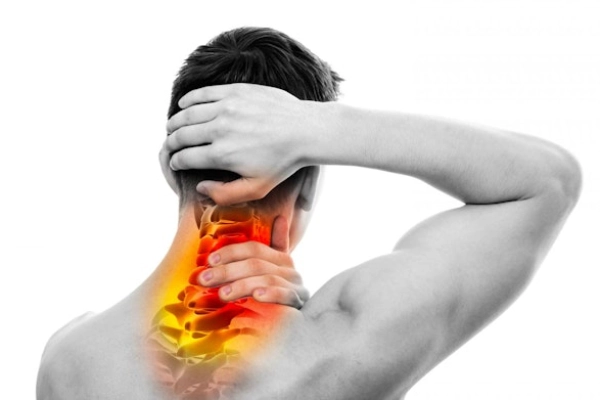
Head, Neck & Jaw Pain
Including whiplash, headaches or migraines, degenerative joint or disc disease, osteoarthritis, tinnitus, eye strain, TMJ dysfunction, and dental or orthodontic pain.

Shoulder, Elbow, Hand & Wrist Pain
Including rotator cuff tears, bursitis, frozen shoulder, tendonitis, impingement syndrome, tennis or golfer's elbow, DeQuervain's syndrome, carpal tunnel syndrome, and osteoarthritis.

Back, Hip, Knee & Foot Pain
Including lumbar degenerative disc disease, arthritic changes, herniated discs, knee osteoarthritis, shin splints, gout, metatarsalgia, Morton's neuroma, and plantar fasciitis.
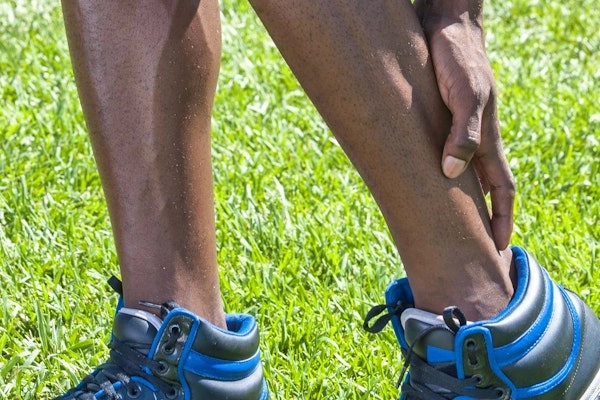
Tendon & Overuse Injuries
Including acute and chronic tendonitis as well as athletic and sports-related overuse injuries.
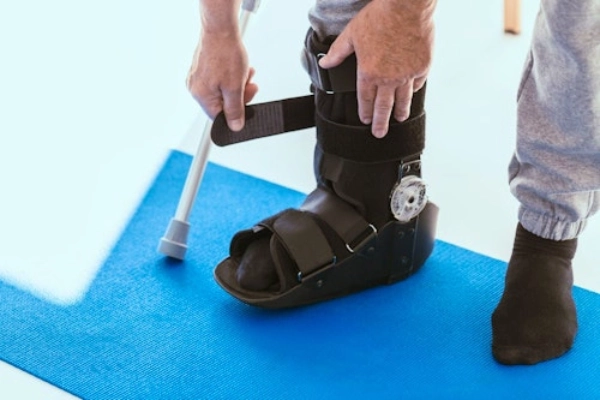
Post-Surgical & Traumatic Injuries
Dry needling may be used for post-surgical pain, post-traumatic injuries, motor vehicle accidents, and work-related injuries.
Chronic Myofascial Pain
Treatment may also help people experiencing chronic pain conditions, including myofascial pain and myofascial pain syndrome (MPS).
Find Out Whether Dry Needling Is Right for You
To learn more about dry needling services or request an appointment, call Primus Physiotherapy at (780) 540-1234.