Sprains, Strains & Tendinitis
Personalized care to help reduce pain, restore movement, and get you back to the activities that matter.
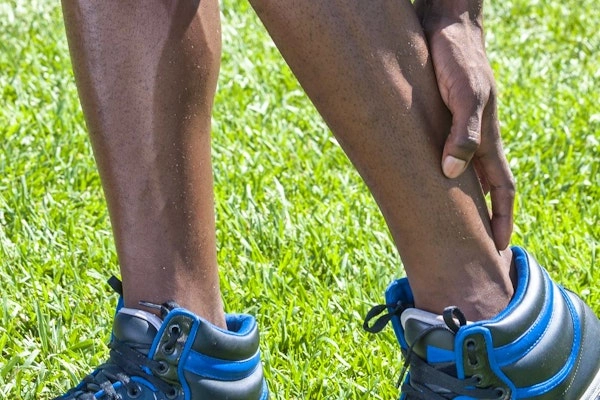
Understanding Sprains and Strains
Sprains and strains are common injuries from daily activities, recreation, and competitive sports. Tendinitis and bursitis can also make everyday movement difficult with pain, swelling, and limited range of motion.
A strain is a tearing of muscle fibers—the individual units that make up your muscles. A sprain is a tear of the ligaments and capsules, the tissues around a joint. Both injuries are commonly classified by severity as grade I (mild), grade II (moderate), or grade III (severe).
Symptoms can include pain, swelling, tenderness, bruising, and loss of function. A grade III strain may involve complete tearing of a muscle or separation from its tendon. A grade III sprain is a complete tear of a ligament or joint capsule; orthopaedic evaluation and, in some cases, surgical repair may be necessary.
Muscle Strains
A grade I strain may cause mild swelling, tenderness, and pain with stretching or using the injured muscle. Grade II strains involve more muscle-fiber damage, often with moderate to severe pain and possible bruising. Grade III strains are the most severe.
Ligament Sprains
A grade I sprain involves a minimal number of ligament fibers and may cause pain, swelling, and mild loss of function. Grade II sprains are partial tears that can cause substantial pain, swelling, bruising, and difficulty using the joint.
Tendinitis & Bursitis
Tendinitis is inflammation of a tendon, the fibrous cord that attaches muscle to bone. Bursitis is inflammation of a small fluid-filled bursa that cushions bones, tendons, and muscles. Repetitive motion, overuse, poor posture, and trauma are common causes.
When Tendinitis or Bursitis Limits Your Movement
Tendinitis can occur in any tendon, but is most common in the shoulder, elbow, wrist, knee, and ankle. Bursitis commonly affects the shoulder, elbow, hip, and knee. Both conditions may cause pain, swelling, and limited mobility of the affected joint, making everyday activities more difficult.
At Primus Physiotherapy, your therapist will assess your condition and develop a personalized treatment plan focused on reducing pain and inflammation, improving range of motion, and restoring function.

Physiotherapy
Personalized guidance to help improve mobility, strength, and independence following an injury.
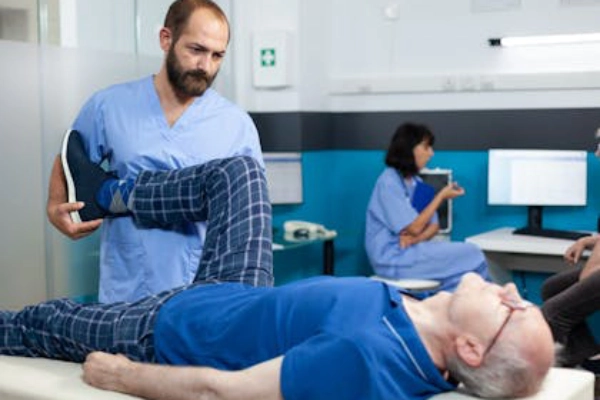
Manual Therapy
Hands-on techniques may be used to reduce pain and inflammation and improve mobility in the affected area.

Vertigo & Dizziness
Explore care for dizziness and vertigo, which can be connected to balance and walking concerns.
Let Us Help You Heal
If you are experiencing pain, swelling, or limited range of motion in any joint, consult with a physical therapist for an evaluation. Early intervention can help prevent further damage and improve your quality of life.