Sports Medicine
Need help recovering from a sports injury? Looking to improve your sports performance?
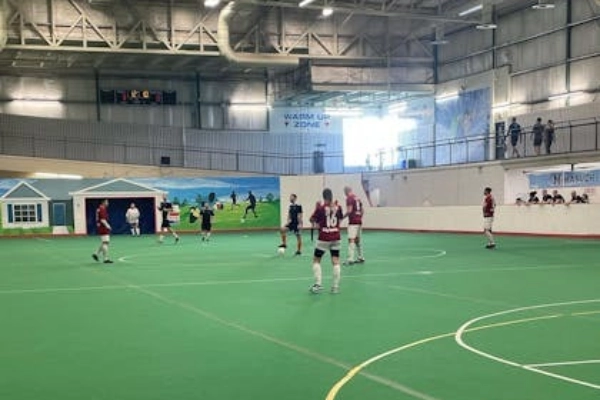
Sports Therapy Is the Right Choice
Sports therapy, or sport physical therapy, is a specialized area of physical therapy for acute, chronic, and repetitive injuries in professional, collegiate, high school, and recreational athletes.
Our approach includes thorough evaluation, treatment, transition back to sport, injury prevention, and performance enhancement programs. Whether your goal is returning to daily activity, the court, the field, or competition, your plan is built around the demands that matter to you.
From Injury to Return to Sport
Sports therapists work with injured and post-surgical athletes to restore strength, range of motion, and the ability to participate in the activities they love.
Manual Therapy & Recovery
Specialized hands-on techniques facilitate movement and functional control. Treatment may also include heat, ice, taping techniques, and electrical stimulation as part of your recovery plan.
Therapeutic Exercise
From active range of motion to advanced resistance protocols, sports therapy helps athletes rebuild the strength needed to compete in their sport.
Functional Retraining
Sports require specialized balance, movement patterns, dynamic flexibility, and stability. Rehabilitation can retrain sport-specific skills such as throwing, cutting, catching, backpedaling, jumping, shuffling, and shooting mechanics.
Dynamic Strength & Endurance Training
Most sports require endurance, balance, and short bursts of intense strength. In later stages of rehabilitation, sports therapists transition athletes to advanced conditioning programs that closely replicate their experience on the court or playing field.
The goal is a controlled, confident transition from recovery to the real movements and demands of your sport.
Prevention & Performance
Sports therapists provide interventions and recommendations designed to help athletes prevent injury. This may include pre-participation evaluations, equipment advice, conditioning programs such as ACL injury prevention, and cardiorespiratory conditioning for a safe transition back to sport.
After evaluating strength, neuromuscular coordination, flexibility, and cardiorespiratory fitness, your therapist can develop a performance training plan tailored to your sport and goals.
Care for Common Athletic Injuries
Sports medicine may be part of a personalized recovery plan for a range of musculoskeletal injuries and post-surgical needs.
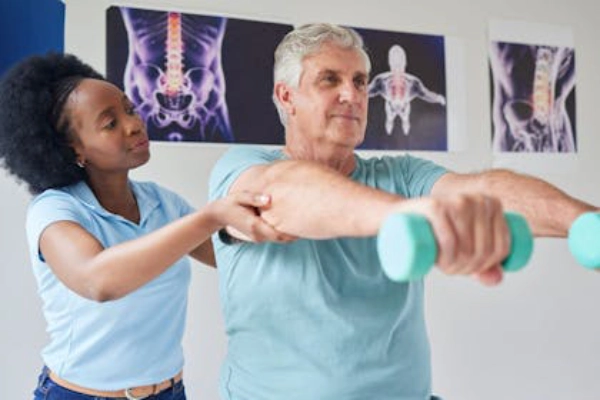
Sprains, Strains & Tendinitis
Repetitive motions, overuse, and trauma can contribute to pain, swelling, limited mobility, and reduced function.
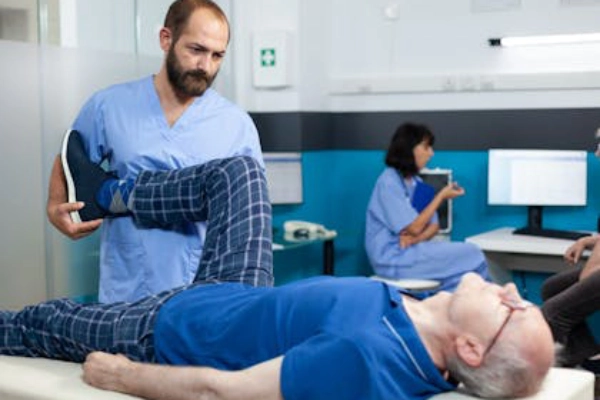
Hip & Knee Pain
Restore movement, strength, and confidence for the daily activities and sport-specific tasks that matter to you.
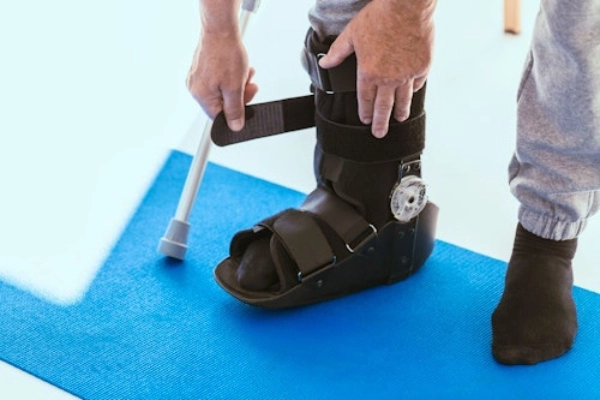
Pre & Post-Surgical Rehabilitation
A structured pathway can help manage pain and swelling, regain range of motion, rebuild strength, and return to function after surgery.
Ready to Recover Stronger?
If you or your teen athlete want to speed up recovery or maximize sports performance, we can help.